
When people think about robotics, they often think about the robot.
The coding.
The competition.
The technology.
What they don't always see is what happens to young people throughout the process.
This year, Tech Turn Up partnered with Ron Brown College Preparatory High School to participate in a FIRST Chesapeake robotics experience hosted at Virginia State University. Neither our students nor our staff had previous robotics competition experience. Like many first-time participants, we entered with a simple goal: learn, build, and gain exposure to something new.
We expected to learn about robotics.
What we discovered was much broader.
When the Robot Didn't Work
Like many first-time teams, we encountered challenges.
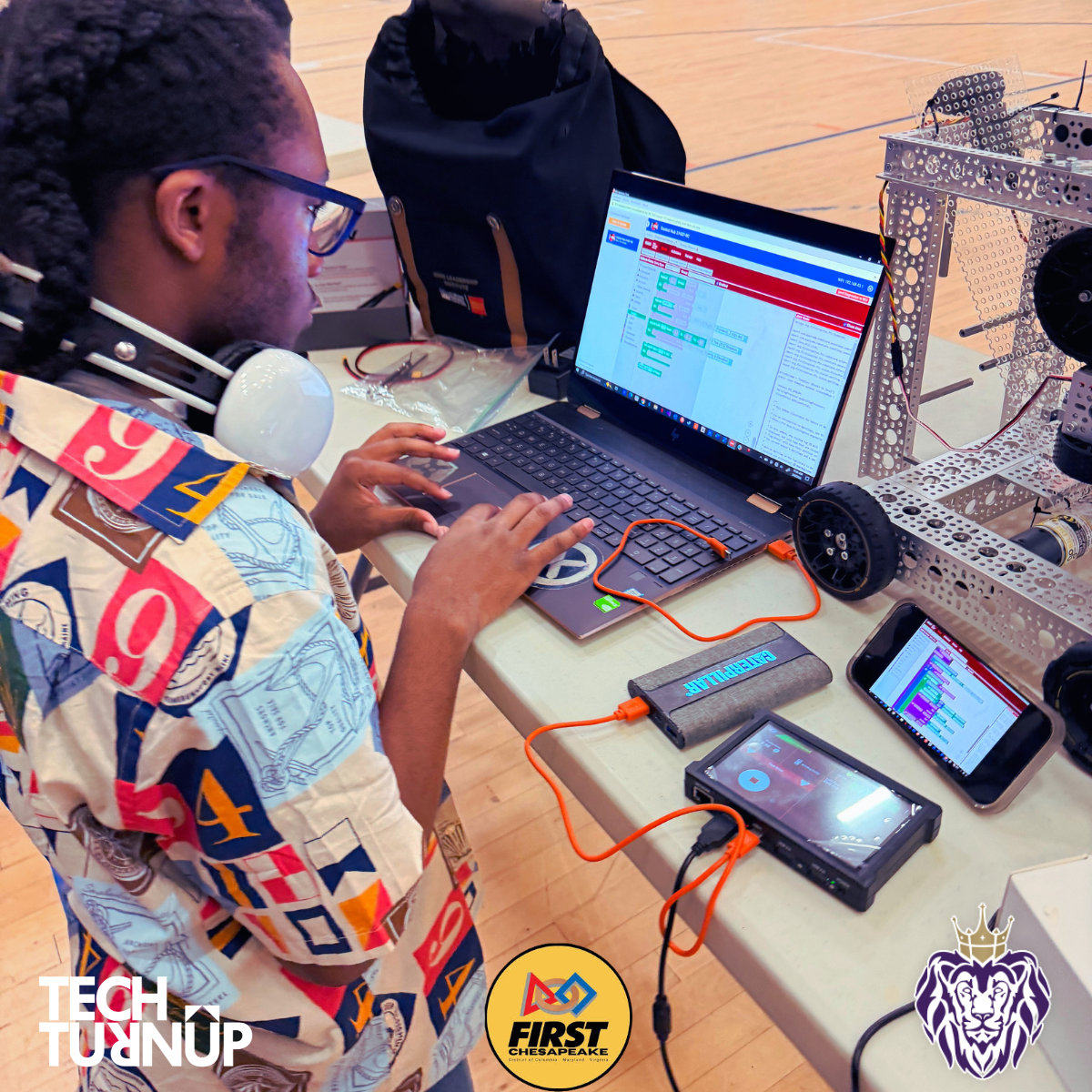
Coding issues emerged.
Some robot functions did not operate as expected.
We realized we were missing supplies.
At several points, we found ourselves troubleshooting problems while trying to keep pace with the event.
For students, this became an opportunity to experience something rarely taught through traditional instruction: how to respond when things don't go according to plan.
Instead of walking away from challenges, students continued testing ideas, asking questions, and working alongside their peers. Staff observed students supporting one another, sharing responsibilities, and remaining engaged even when outcomes were uncertain.
The robot may not have performed exactly as we hoped, but the learning never stopped.
Social-Emotional Learning Through Shared Challenges
One of the most meaningful outcomes had little to do with engineering.
As students worked through challenges together, we observed behaviors that reflected key social-emotional learning (SEL) skills.
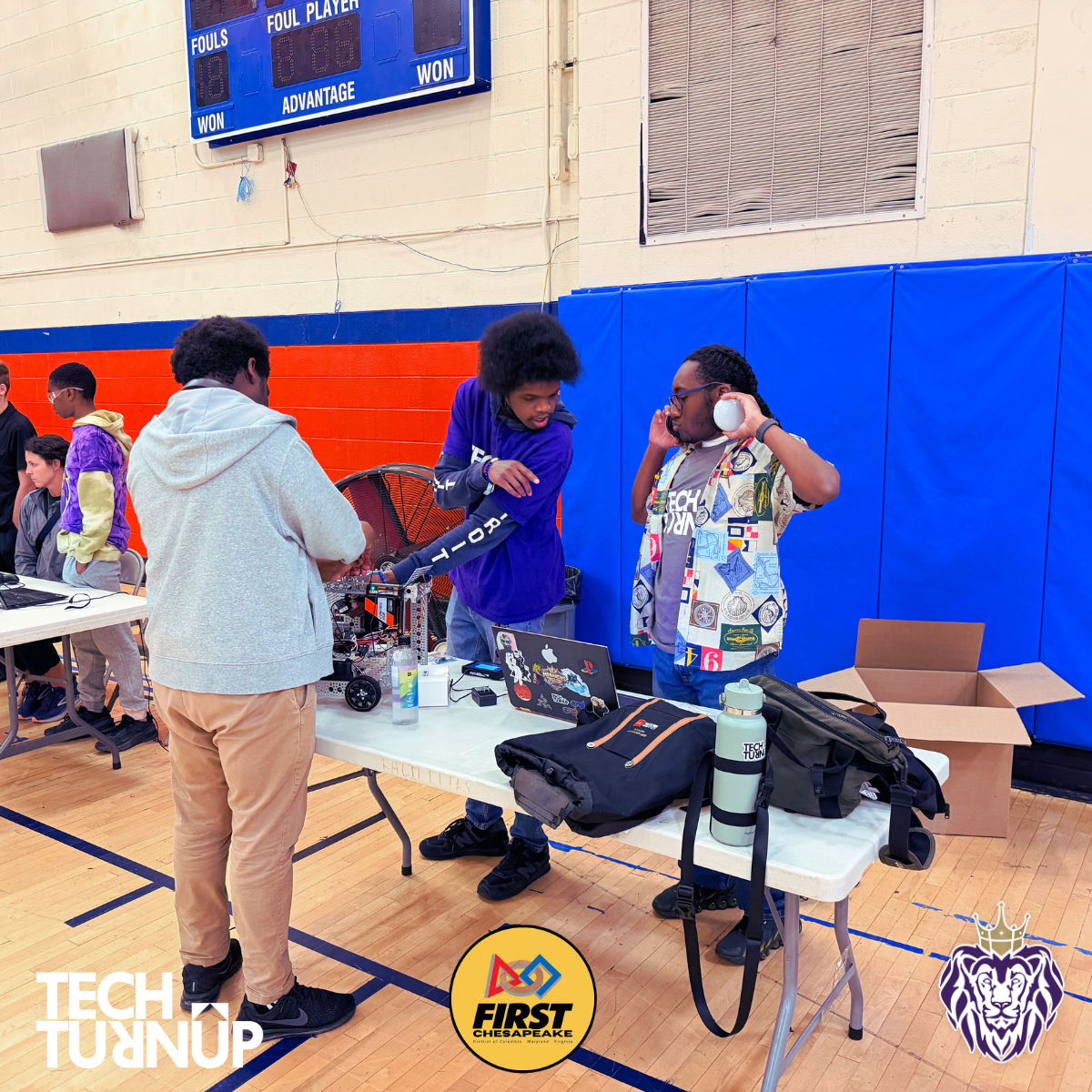
Some students who initially preferred working independently began collaborating with teammates. Others who were often quieter during activities became more comfortable contributing ideas, assisting peers, and participating in group problem-solving.
Students learned that every team member could contribute in different ways. Some focused on coding. Others focused on testing, troubleshooting, organization, or supporting teammates.
The experience created space for young people to participate, contribute, and succeed in ways that felt authentic to them.
Perhaps most importantly, students experienced what it feels like to be part of a team working toward a common goal.
Exposure Creates New Possibilities
Robotics was not simply a competition experience. It was an opportunity for exploration.
Through project-based learning activities that integrated robotics, computer science concepts, and digital literacy skills, students were able to apply what they were learning in meaningful ways.
For many students, this was their first experience engaging with robotics or participating in a larger STEM community.
That exposure matters.
Following participation in Tech Turn Up's robotics activities and technology programming, five students elected to switch their academic pathway to Computer Science.
For us, this represents one of the strongest indicators of impact.
Students cannot pursue opportunities they have never seen. Exposure helps young people discover interests, explore possibilities, and begin imagining themselves in spaces they may not have previously considered.
We also received encouraging feedback that students who participated in the robotics experience performed strongly in their computer science coursework, including several students earning A-level grades. While these outcomes cannot be attributed solely to participation in Tech Turn Up programming, they suggest that hands-on learning experiences may help reinforce student engagement and confidence in computer science learning.
Why Access Matters
Experiences like robotics competitions provide more than technical knowledge.
They provide access.
Access to new environments.
Access to mentors.
Access to peers with shared interests.
Access to opportunities that help young people imagine different futures.
For many students, particularly those who may not otherwise have access to robotics experiences, these opportunities can play an important role in building confidence, curiosity, and a sense of belonging.
Educational equity is not only about providing access to technology. It is about creating opportunities for young people to discover their strengths and explore pathways that may shape their future education and career choices.
More Than a Competition
What stood out most from our first robotics experience was not the competition itself.
It was the community.
When challenges emerged, teams stepped forward to help. Supplies were shared. Technical support was offered. Students were encouraged.
No one treated our team like outsiders because we were new.
Instead, students witnessed something powerful: a community committed to helping young people succeed.
We are grateful to Ron Brown College Preparatory High School, Mr. Stewart, Director of the Computer Science Academy, Dr. Gibbs, Connected Schools Manager, Shelly Stoddard, Virginia State University, and the many volunteers and teams who welcomed our students and demonstrated the power of community-centered learning.
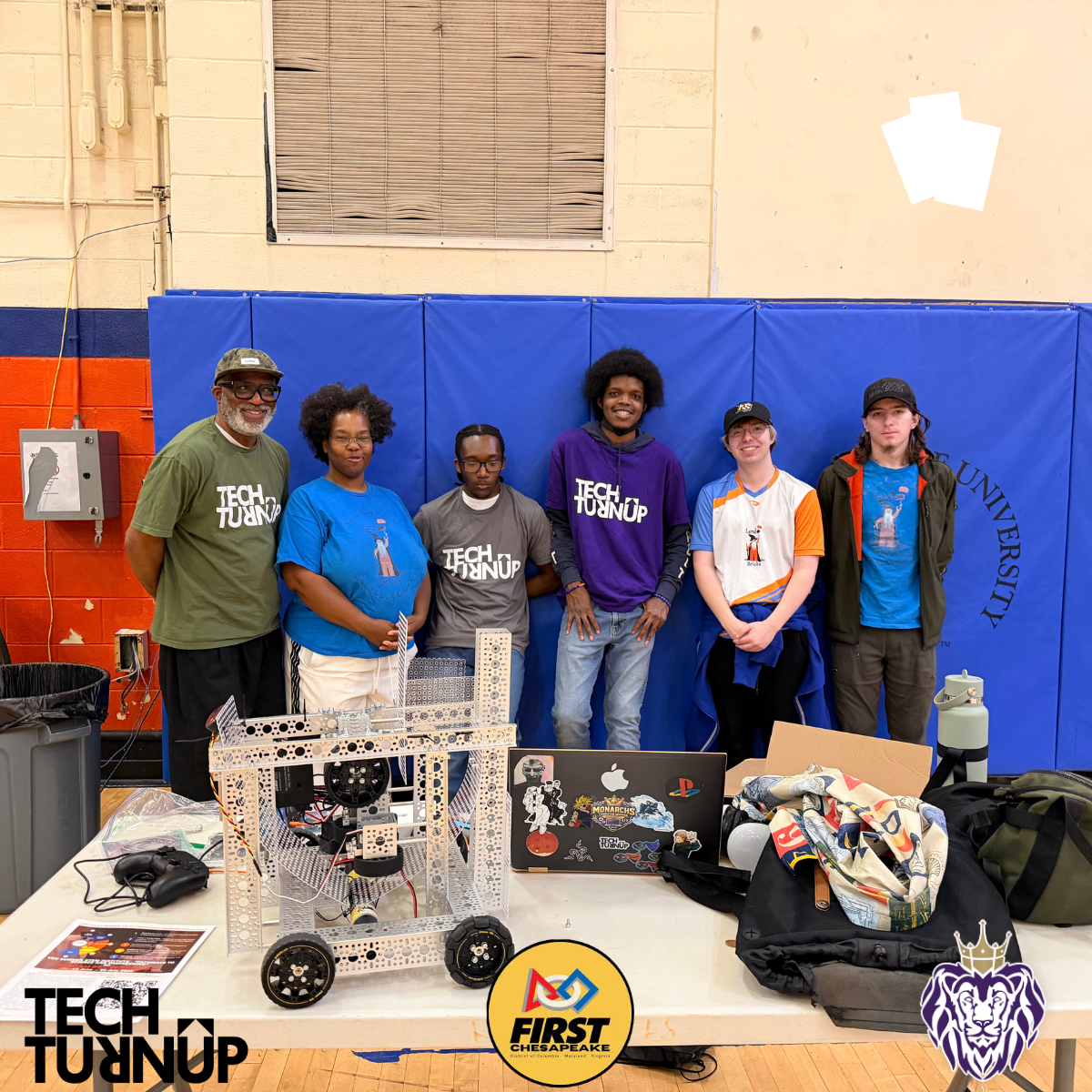
Experiences like this are made possible through the collective efforts of educators, community organizations, and STEM partners. We are especially grateful to FIRST Chesapeake for its leadership in creating accessible robotics opportunities that help young people build technical skills, confidence, and a sense of belonging within the STEM community.
As educators and youth-serving organizations continue searching for ways to strengthen STEM pathways and student engagement, it is worth remembering that success is not always measured by what students build.
Sometimes success looks like a student asking a question they would not have asked before.
Sometimes it looks like helping a teammate solve a problem.
Sometimes it looks like a young person deciding that computer science could be part of their future.
Those moments may never appear on a scoreboard, but they can change the trajectory of a student's life.
Partner With Us
Tech Turn Up works alongside schools, community organizations, and funders to create technology and arts-based learning experiences that help young people develop confidence, collaboration skills, digital literacy, and exposure to future career pathways.
If your school, district, organization, or institution is interested in expanding access to STEM education, robotics, computer science, and creative technology opportunities, we welcome the opportunity to connect and explore how we can work together to support the next generation of innovators.